Food Preservation

Best Vacuum Sealers for Garden Harvest: 2026 Buying Guide and Preservation Mastery

Best Vacuum Sealers for Garden Harvest: 2026 Buying Guide and Preservation Mastery

Discover the best vacuum sealers for preserving garden harvests, prevent freezer burn, and master professional food packaging techniques.

Disclosure: This post contains affiliate links. As an Amazon Associate, we earn from qualifying purchases at no extra cost to you. We only recommend products we believe are genuinely useful for home food preservation.

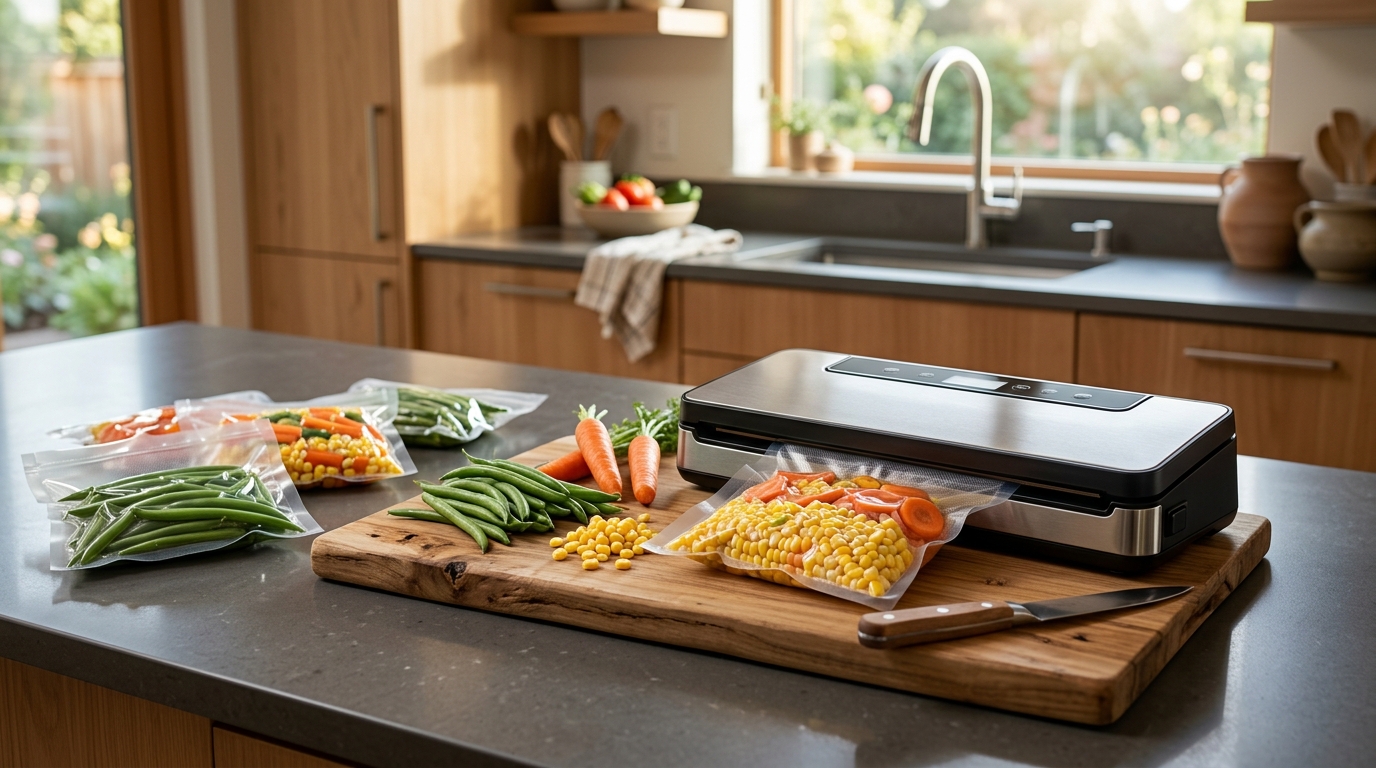
Every backyard gardener experiences the sudden arrival of harvest abundance. One week you pick a modest handful of green beans, and the following week your kitchen table disappears under bushels of sweet corn, tender zucchini, heirloom tomatoes, and crisp snap peas. While water bath canning and pressure canning represent time-honored methods for preserving shelf-stable provisions, freezing remains the fastest way to lock in the peak flavor, vibrant color, and cellular nutrition of freshly picked produce.
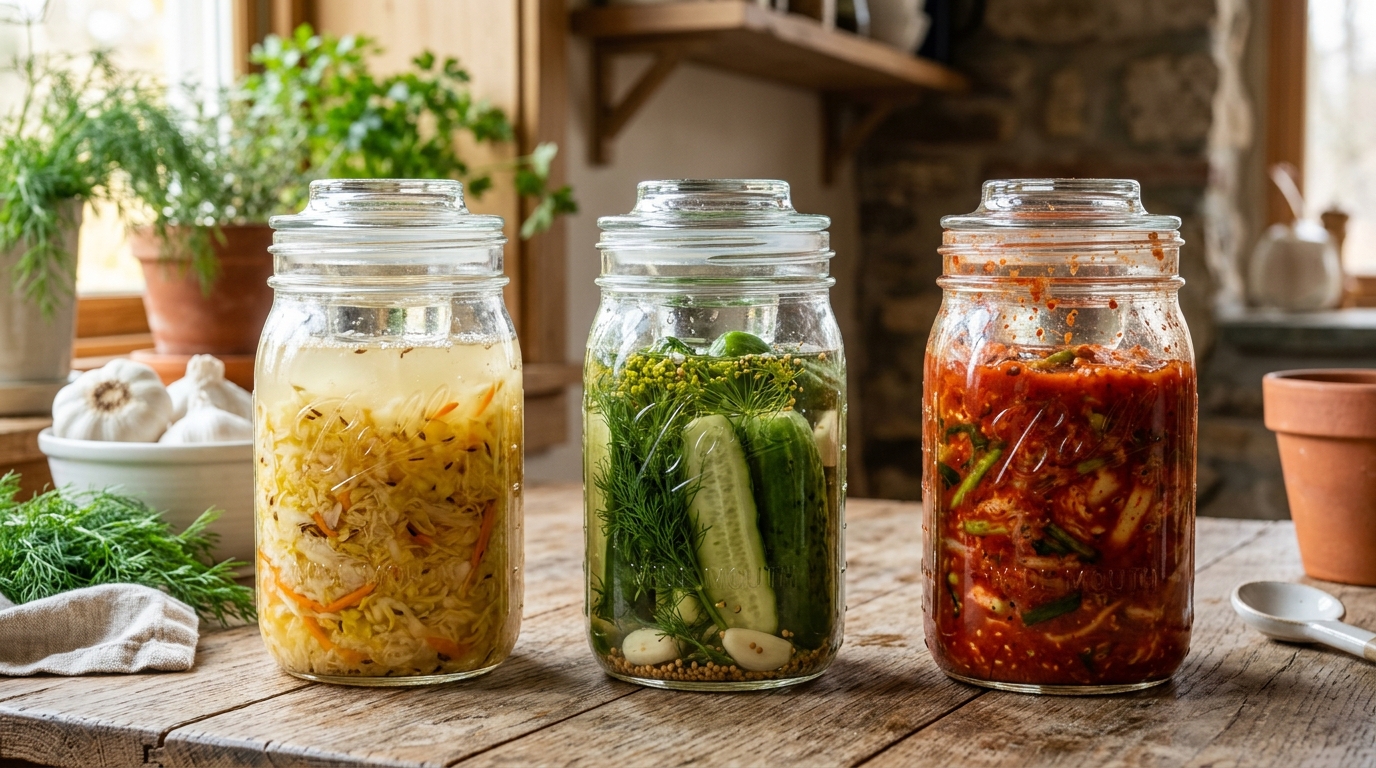
Fermentation for Beginners: Essential Equipment, Food Safety, and First Recipes

Fermentation for Beginners: Essential Equipment, Food Safety, and First Recipes

Master the art and science of wild lacto-fermentation at home with safe equipment, precise salt calculations, and foolproof beginner recipes.

Disclosure: This post contains affiliate links. As an Amazon Associate, we earn from qualifying purchases at no extra cost to you. We only recommend products we believe are genuinely useful for home food preservation.

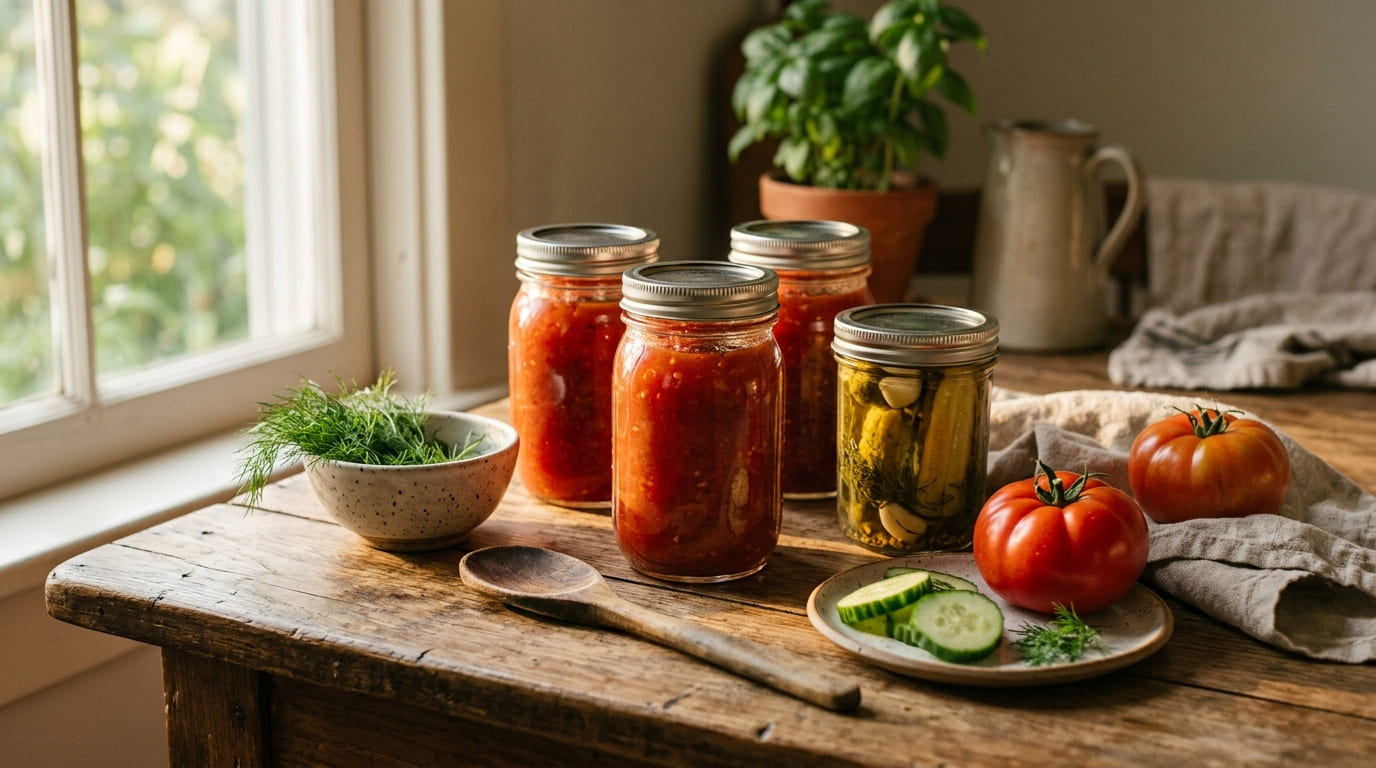
Long before the invention of mechanical refrigeration, electric freezers, or modern pressure canning, human civilizations across every continent preserved their seasonal garden harvests through the magic of biological fermentation. From the tangy, crisp sauerkrauts of Central Europe to the zesty, spicy kimchis of Korea and the sour crocks of traditional kosher dill pickles, fermentation has sustained human health and nourishment for thousands of years.

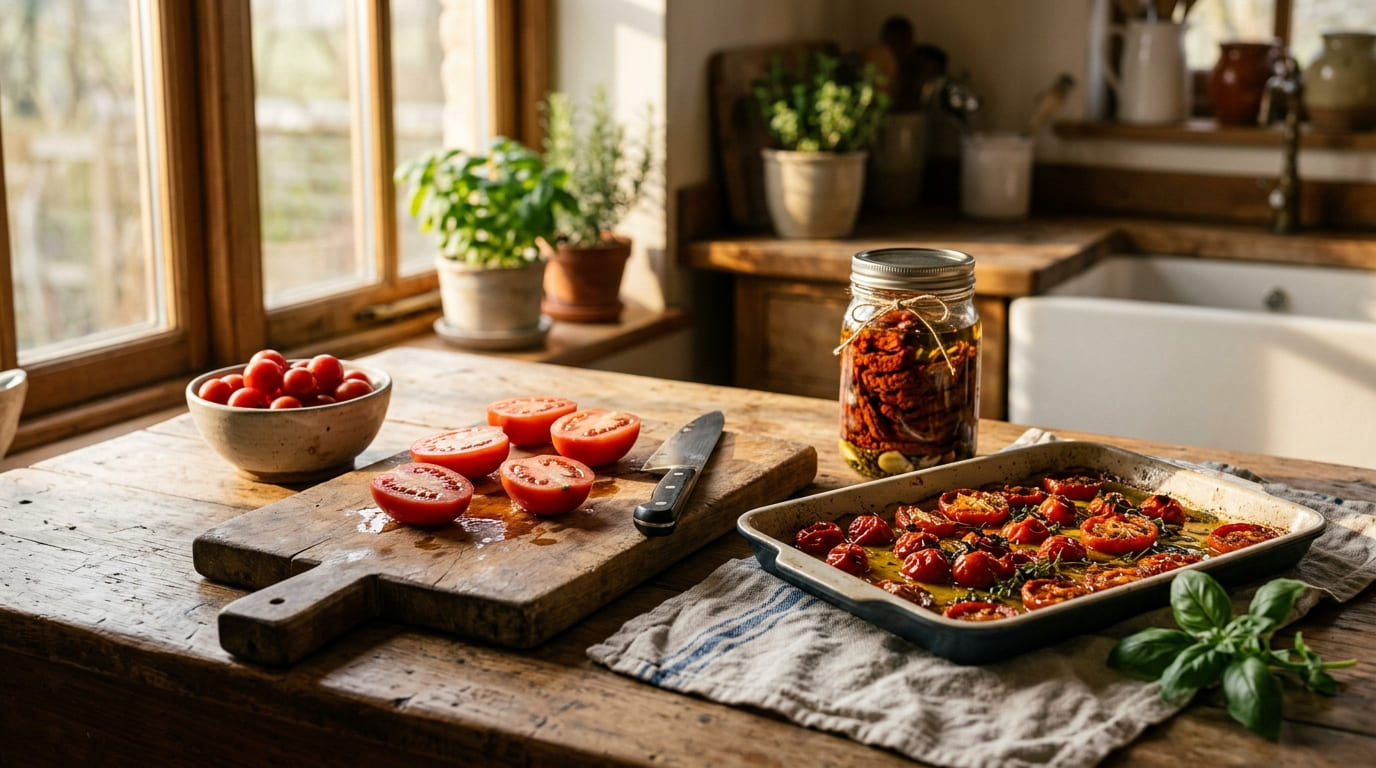
How to Preserve Tomatoes Without a Canner: 4 Safe Methods for a Glut of Tomatoes

How to Preserve Tomatoes Without a Canner: 4 Safe Methods for a Glut of Tomatoes

Tomato season doesn't wait for you to buy a canner. Here are four methods that turn a glut into a pantry — without a single jar of pressure-canned anything.

Disclosure: This post contains affiliate links. As an Amazon Associate, we earn from qualifying purchases at no extra cost to you. We only recommend products we believe are genuinely useful for home food preservation.

Every August, the same thing happens. The garden — or the farmer’s market, or the neighbor with the overproducing Roma plants — delivers more tomatoes than anyone can eat fresh. You know you should preserve them. But you don’t own a pressure canner, you’re not sure you want to buy one, and you’ve heard enough botulism horror stories to be nervous about doing it wrong.

How to Start Canning: A Beginner's Guide to Putting Up Your First Jars

How to Start Canning: A Beginner's Guide to Putting Up Your First Jars

Canning turns a summer windfall into a pantry that feeds you all winter. Here's how to start safely — without buying gear you don't need.

Disclosure: This post contains affiliate links. As an Amazon Associate, we earn from qualifying purchases at no extra cost to you. We only recommend products we believe are genuinely useful for home food preservation.

There’s a moment every home canner remembers: the first ping of a lid sealing shut. It’s a small sound, but it means something big — you just preserved food that will still be good in a year, without a freezer, without electricity, without a single preservative.

Water Bath vs Pressure Canning: Which Method Should You Use?

Water Bath vs Pressure Canning: Which Method Should You Use?

Water bath or pressure canning? Pick wrong and you risk spoiled food — or worse. Here's the simple rule that tells you exactly which method every jar needs.

Disclosure: This post contains affiliate links. As an Amazon Associate, we earn from qualifying purchases at no extra cost to you. We only recommend products we believe are genuinely useful for home food preservation.

If you’ve spent any time reading about home canning, you’ve run into the same fork in the road: water bath or pressure canning?

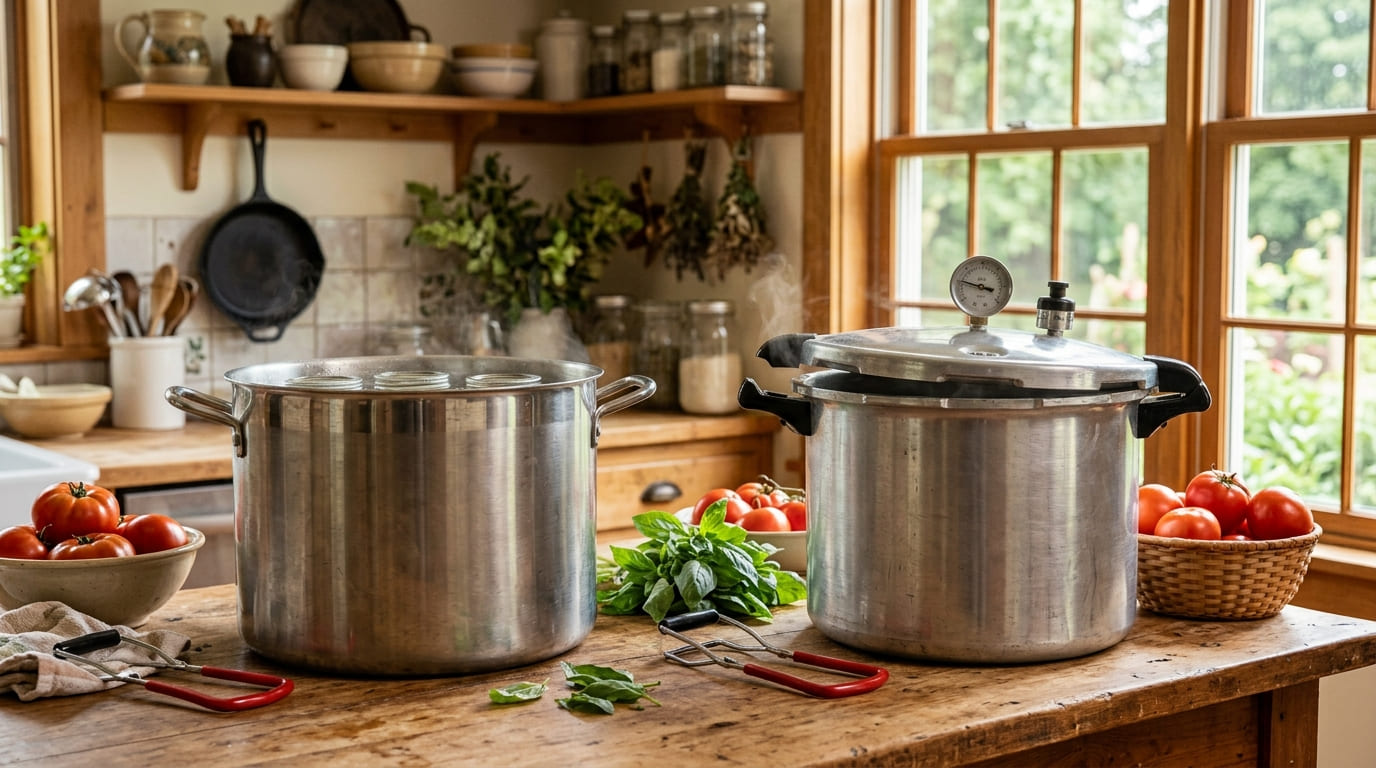
Most beginners pick one and hope for the best. That’s a mistake — not because one method is “better,” but because the two methods are not interchangeable. They exist for different reasons, and using the wrong one can turn a shelf of beautiful jars into a batch of spoiled food.

How to Build a More Resilient Home Food Supply

How to Build a More Resilient Home Food Supply

A practical beginner's framework for preserving food, reducing waste, and making better use of what you already buy or grow.

Building a more resilient food supply does not have to start with a pantry packed to the ceiling or a kitchen full of specialized equipment. A better starting point is understanding what your household already eats, what you can store safely, and which preservation methods fit your routine.

Start with food you already use

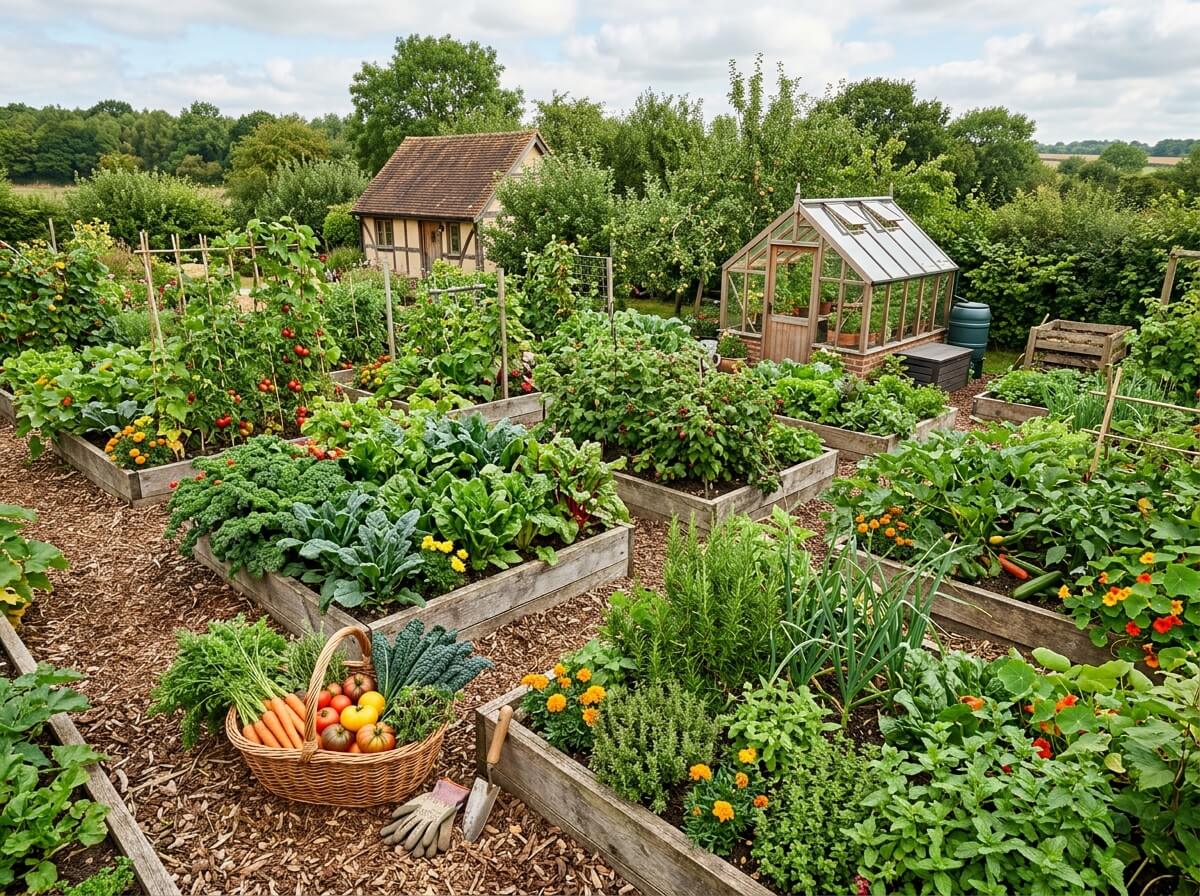
One of the easiest mistakes in food storage is buying large quantities of foods that look useful on paper but rarely get eaten. Instead, look at the foods your household regularly buys or grows. Those foods give you a realistic foundation for preservation.