Sustainable Living

Root Cellar Basics: How to Store Food Without Electricity for Year-Round Resilience

Root Cellar Basics: How to Store Food Without Electricity for Year-Round Resilience

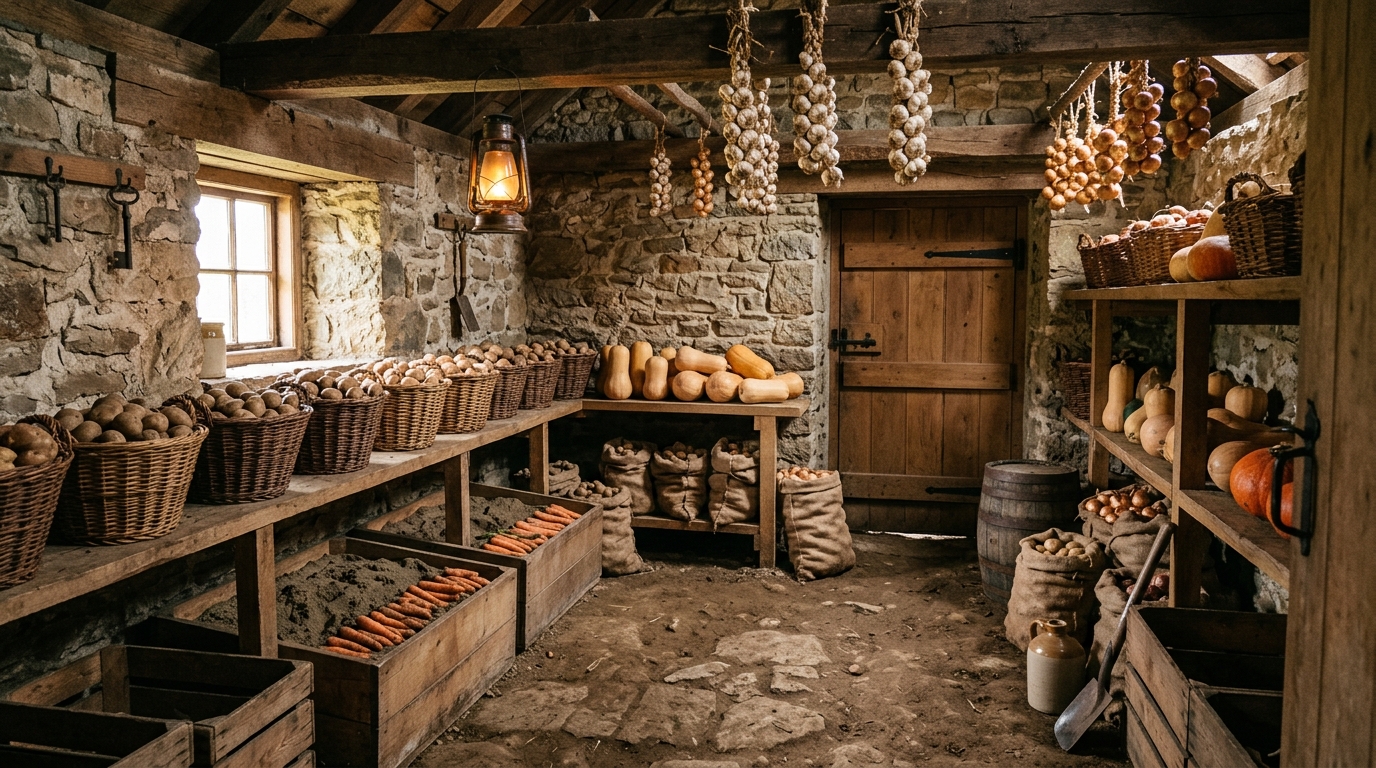
Master the ancient craft of root cellaring. Learn how to store potatoes, carrots, onions, and winter squash through winter without a single watt of electricity.

Disclosure: This post contains affiliate links. As an Amazon Associate, we earn from qualifying purchases at no extra cost to you. We only recommend products we believe are genuinely useful for home food preservation.

In our modern era of high-tech smart appliances, frost-free electric refrigerators, and massive chest freezers, the idea of storing hundreds of pounds of fresh food without running an electric compressor sounds almost impossible.

Yet for thousands of years before electrical power grids existed, human civilizations survived freezing winters, late spring blizzards, and prolonged droughts by mastering subterranean cold storage.
How to Build a More Resilient Home Food Supply

How to Build a More Resilient Home Food Supply

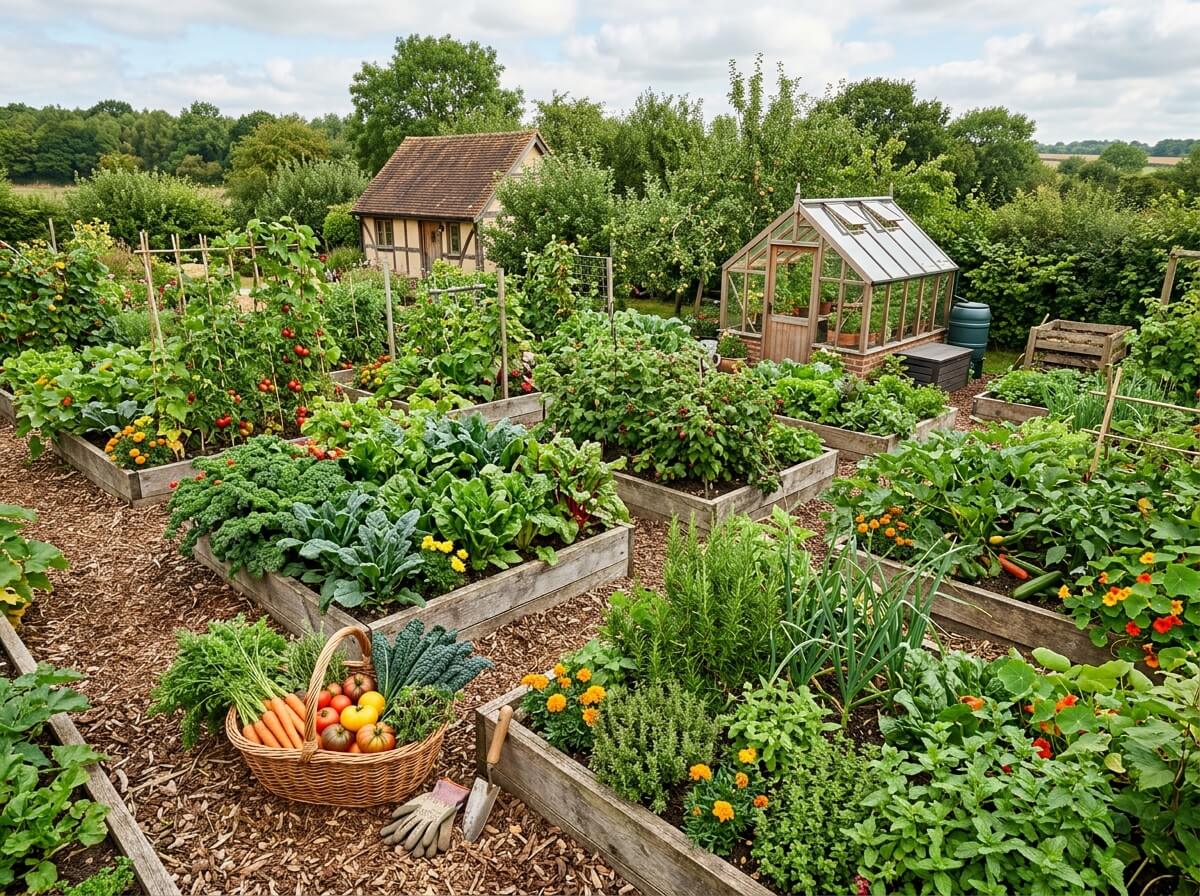
A practical beginner's framework for preserving food, reducing waste, and making better use of what you already buy or grow.

Building a more resilient food supply does not have to start with a pantry packed to the ceiling or a kitchen full of specialized equipment. A better starting point is understanding what your household already eats, what you can store safely, and which preservation methods fit your routine.

Start with food you already use

One of the easiest mistakes in food storage is buying large quantities of foods that look useful on paper but rarely get eaten. Instead, look at the foods your household regularly buys or grows. Those foods give you a realistic foundation for preservation.